
Creating a cozy home workspace that boosts your productivity is more important than ever, especially with many people working from home. A comfortable, well-organized environment can inspire focus, creativity, and motivation. This post will share practical tips to help you design an inviting workspace that balances comfort with efficiency.
Why a Cozy Workspace Matters
Your workspace affects how well you can concentrate and complete tasks. If your space feels cold, cluttered, or uncomfortable, it can lead to distractions and reduced output. On the other hand, a cozy, personalized area makes working more enjoyable and encourages you to stick with your schedule.
Choose the Right Location
Start by selecting a spot in your home that suits your work habits.
– Natural Light: Position your desk near a window to take advantage of daylight. Natural light boosts mood and alertness.
– Minimal Distractions: Pick a quiet area away from heavy foot traffic or noisy appliances.
– Space to Move: Ensure you have enough room for your chair, desk, and some extra space for stretching or using materials.
Invest in Comfortable Furniture
Comfort is key for long work sessions.
– Ergonomic Chair: Support your back with a chair that has adjustable height and lumbar support.
– Appropriate Desk: Choose a desk at the right height to keep your wrists and arms comfortable. Consider standing desks if you want more flexibility.
– Footrest: If your feet don’t comfortably reach the floor, use a footrest to reduce strain.
Personalize Your Space
Add touches that make your workspace inviting and uniquely yours.
– Colors: Use calming colors like soft blues, greens, or warm neutrals. These tones can reduce stress.
– Artwork and Photos: Hang pictures or art that inspire and motivate you.
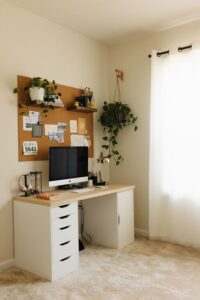
– Plants: Indoor plants improve air quality and bring a bit of nature indoors, contributing to a peaceful ambiance.
Organize Efficiently
Keeping your workspace tidy saves time and helps you focus.
– Declutter Regularly: Clear away unnecessary items at the end of each day.
– Storage Solutions: Use shelves, filing cabinets, or drawer organizers to arrange supplies.
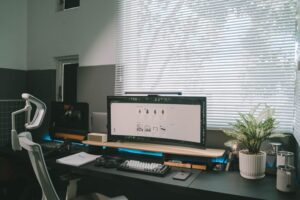
– Cable Management: Use clips or sleeves to keep cords neat and out of the way.
Use Proper Lighting
Besides natural light, good artificial lighting is important.
– Task Lighting: Use a desk lamp that provides bright, adjustable light to reduce eye strain.
– Ambient Lighting: Soft overhead lights create a warm, comfortable feel during evenings.
Minimize Noise Distractions
Noise can disrupt your concentration, so consider these options.
– Noise-Canceling Headphones: Block out background noise when necessary.
– Soft Background Sounds: Low-volume instrumental music or white noise can help some people focus better.
– Soundproofing: Add rugs, curtains, or acoustic panels to absorb sound.
Incorporate Break Areas and Movement
Staying in one position too long isn’t good for your health or focus.
– Stretch Breaks: Use a corner with space for quick stretches or light exercises.
– Separate Relaxation Spot: If possible, designate a different chair or area to take breaks away from your desk.
Maintain Good Air Quality
Fresh air helps keep your energy levels steady.
– Ventilation: Open windows regularly or use an air purifier to circulate clean air.
– Humidity Levels: A humidifier can prevent dryness during colder months.
Keep Technology Efficient and Accessible
Technology should support your workflow, not create frustration.
– Reliable Internet: Ensure your Wi-Fi connection is strong and consistent.
– Organized Devices: Keep your computer, chargers, and accessories within easy reach.
– Backup Systems: Use cloud storage or external drives to protect important files.
Establish a Routine and Boundaries
Your workspace should signal work time and help maintain a healthy work-life balance.
– Set Work Hours: Start and stop work at consistent times.
– Limit Household Interruptions: Let family or housemates know your schedule.
– End of Day Ritual: Clean your desk and shut down your computer to mark the transition from work to personal time.
Final Thoughts
Creating a cozy home workspace that boosts productivity is a blend of comfort, organization, and personal touches. By paying attention to lighting, ergonomics, and atmosphere, you can build an environment where you feel motivated and at ease. Small changes can make a big difference in both your work quality and overall well-being. Start with these tips and adjust your setup over time to find what works best for you.